



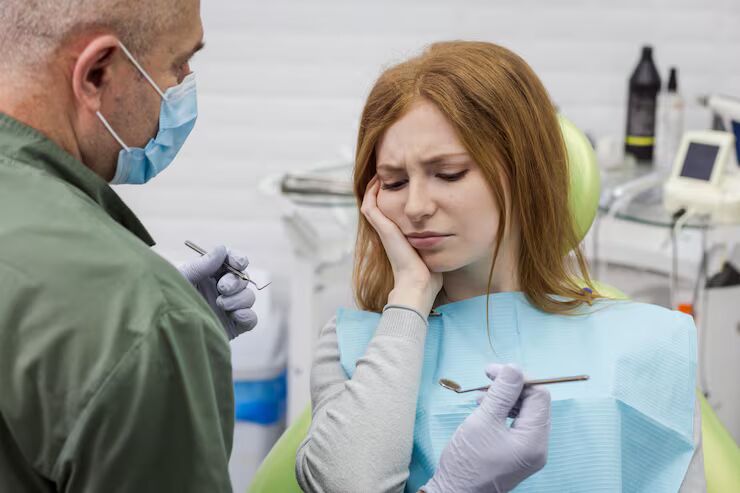
Ear pain after dental treatment can happen because the teeth, jaw, and ears are connected by nearby nerves and muscles. Pain from a treated tooth or sore jaw can sometimes feel like it is coming from the ear. This is called referred pain. It may happen after treatments such as fillings, crowns, or root canals. However, it does not always mean there is a problem with your ear.
Ear pain after dental treatment may be caused by sore jaw muscles, keeping your mouth open for a long time, or soreness around the treated tooth. After root canal therapy in Dacula, you may feel some mild pain while the nearby tissues heal. The type of treatment, how your teeth fit together, and how long the appointment lasts can also affect how you feel afterward.
Why Can Dental Work Cause Ear Pain?
The teeth, jaw joints, and ears are close to one another and share nerve pathways. Because of this connection, discomfort from the mouth or jaw can sometimes be felt near or inside the ear.
Common reasons include:
- Sore jaw muscles: Keeping your mouth open for extended periods during dental treatment can cause your jaw muscles to ache.
- Referred pain: Pain or soreness around a treated tooth can sometimes feel like pain in your ear.
- Jaw joint irritation: The joint that connects your lower jaw to your skull may become sore after a long dental visit.
- Tooth or gum inflammation: The tissues around a treated tooth may remain tender while healing.
- Bite changes: A filling or crown that feels too high may put extra pressure on the tooth and jaw when you bite.
Ear discomfort can also have a separate cause, such as an ear infection. Dental treatment should not automatically be blamed for every case of ear pain.
Can a Root Canal Cause Jaw and Ear Pain?
Yes. Jaw and ear pain after root canal treatment can occur because the tissues around the treated tooth may remain sensitive for a short time. The jaw muscles may also feel tired after the mouth has been held open during treatment.
After root canal therapy in Dacula, mild soreness around the tooth or jaw may gradually improve. However, pain should not worsen over time.
Possible reasons for discomfort include:
- Inflammation in the tissues around the treated tooth.
- Pressure when biting or chewing.
- Jaw muscle soreness from the appointment.
- A bite that needs adjustment after temporary or permanent dental work.
If the pain continues, an examination can help determine whether the tooth needs further care or the discomfort is coming from the jaw.
Why Does My Ear Hurt After Getting a Crown?
Ear pain after getting a crown may be caused by pressure on the treated tooth or a sore jaw. If the new crown is too high, that tooth may touch the opposite tooth first when you close your mouth. This can put extra pressure on the tooth while chewing and cause pain that may spread to your jaw or ear.
Watch for signs such as:
- Pain when biting down.
- A feeling that the crown touches before the other teeth.
- Tenderness around the treated tooth.
- Jaw discomfort while chewing.
A dentist can check the crown and adjust the bite if needed. Do not try to change or file the crown yourself.
How Can You Relieve Ear Pain After Dental Work?
The right way to manage discomfort depends on its cause. For mild soreness, these steps may help:
- Eat soft foods: Choose foods that require less chewing for a short time.
- Rest your jaw: Avoid chewing gum or opening your mouth too wide.
- Use a warm cloth: Place it on your sore jaw to help ease the pain.
- Follow medicine instructions: Take pain medicine only as advised by your dentist or healthcare provider.
- Keep up with oral care: Brush gently and follow any instructions given after treatment.
A dentist in Dacula can examine the treated tooth, check your bite, and assess whether jaw soreness may be causing the pain. If the symptoms seem unrelated to dental treatment, a medical assessment may be needed.
When Should You Worry About Ear Pain After Dental Work?
Mild pain that gets better over time is usually less concerning. However, contact your dentist if you notice:
- Pain that keeps getting worse instead of getting better.
- Increasing swelling around the tooth, jaw, or face.
- Fever or pus near the treated area.
- Severe pain when biting.
- Difficulty opening your mouth.
Seek urgent medical care if ear pain occurs with sudden hearing loss, severe dizziness, or swelling that makes breathing or swallowing difficult. A dentist near you can help assess dental symptoms, but ear-related warning signs may need medical attention.
Get Help Understanding Your Dental Discomfort
Ear pain after dental treatment can have several causes, and finding the source is important before choosing the right care. Contact Lanier Valley Dentistry to discuss your symptoms and arrange an examination. Schedule a visit to have your bite and treated tooth checked and understand what may be causing the discomfort.
FAQs
Why does my ear hurt after a root canal?
Pain from the treated tooth may sometimes feel like ear pain because the teeth and ears share nearby nerves. A sore jaw or swelling around the tooth may also cause this pain. If the pain does not go away, visit your dentist to find out the cause.
How long does ear pain last after a root canal?
Mild pain may get better within a few days as the area heals. The healing time can vary from person to person. If the pain continues, worsens, or returns, contact your dentist.
Can a dental filling cause ear pain?
Yes. Keeping your mouth open for extended periods during treatment can cause your jaw to ache. A filling that is too high may also put extra pressure on your tooth and cause pain near your jaw or ear. Your dentist can check your bite and adjust the filling if needed.
Can dental work cause pain that feels like ear pain?
Yes. The teeth, jaw, and ears share nearby nerves. Because of this, pain from a tooth or jaw problem may feel like ear pain. However, the pain may also be caused by a separate ear problem.
When should I worry about ear pain after dental work?
Contact your dentist if the pain worsens, does not improve, or is accompanied by swelling, fever, or pain when biting. Get urgent medical help if you suddenly lose your hearing, feel very dizzy, or have trouble breathing or swallowing.