



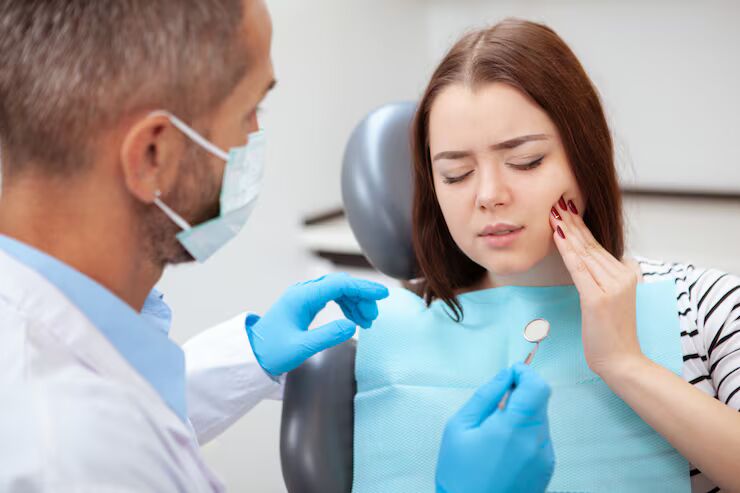
A sudden toothache, broken tooth, or mouth injury can happen at any time. Getting help quickly may ease the pain and stop the problem from getting worse. Some dentists accept walk-in patients, while others ask you to call first. This helps the team understand your problem and tell you when they can see you. If you need an emergency dentist in Dacula, knowing what to do before you arrive can help you get care sooner. However, walk-in patients may still need to wait, depending on how busy the dental team is and how serious the problem is.
Understanding which symptoms require urgent attention, how to protect an injured tooth, and when to seek hospital care can help you respond calmly during a dental emergency.
Can You Walk In to an Emergency Dentist?
Yes, some dentists accept walk-in patients for urgent dental problems, but it depends on their schedule. It is best to call before visiting. The dental team can ask about your problem, tell you how soon you need care, and let you know if they can see you that day.
When looking for a walk-in emergency dentist, be ready to explain:
- What happened, and when it started.
- Whether you have severe pain or swelling.
- Whether a tooth is loose, broken, or knocked out.
- Whether you have a fever or trouble swallowing.
If you are searching for an emergency dentist open now, confirm the current hours and whether urgent appointments are available. Do not assume a practice can accept walk-ins just because it is open.
What Counts as a Dental Emergency?
Knowing what counts as a dental emergency can help you decide how quickly to seek care. Some problems need prompt dental treatment, while others can wait for a regular appointment.
Seek urgent dental advice for:
- Severe or ongoing tooth pain.
- A knocked-out permanent tooth.
- A cracked or broken tooth with pain or sharp edges.
- Swelling around the gums, jaw, or face.
- A dental abscess or pus near a tooth.
- Bleeding that does not stop after an injury.
If you have trouble breathing or swallowing, rapidly spreading facial or neck swelling, or heavy bleeding that will not stop, seek emergency medical care immediately. These symptoms can signal a serious problem that needs hospital treatment.
What Should You Do Before Getting Dental Care?
The steps you take before reaching a dental professional can help protect the affected area.
- Toothache: Gently rinse with warm water and floss carefully if food may be trapped. Do not place aspirin directly on the tooth or gums.
- Broken tooth: Gently rinse your mouth with warm water. If you can find the broken pieces, save them and take them to the dentist.
- Knocked-out adult tooth: Hold the tooth by the top, not the root. If it is dirty, gently rinse it with water. Do not rub it. If you can, gently put it back in its place, but do not force it. If you cannot, keep it in milk or a special solution made to save teeth. See a dentist right away.
- Swelling: Apply a cold compress to the outside of the cheek. Do not try to pop a swelling or drain an abscess yourself.
A dental office in Dacula can provide instructions for your situation when you call. Do not delay urgent care while trying home remedies.
When Should You Go to the Hospital Instead?
Most toothaches and broken teeth are best assessed by a dental professional. However, some symptoms require emergency medical care rather than waiting for a dental appointment.
Go to an emergency department if you have:
- Difficulty breathing or swallowing.
- Rapidly spreading swelling in the face, mouth, or neck.
- Heavy bleeding that will not stop.
- A serious injury to the face or jaw.
- Swelling with severe illness or signs of a spreading infection.
For less severe dental problems, a dental office near you may be able to assess the issue and arrange treatment. Call first to confirm availability and clearly explain your symptoms.
Get Help When a Dental Problem Cannot Wait!
Dental pain and injuries can be stressful, but knowing what to do first can help you act quickly and protect your oral health. Contact Lanier Valley Dentistry to explain your symptoms, ask about the availability of an urgent appointment, and find out what steps to take before your visit.
FAQs
Do you need an appointment for an emergency dentist?
Not always. Some dentists see patients without an appointment, while others require you to book one. Call before visiting to check if they are available and explain your problem. If you have trouble breathing or swallowing, get emergency medical help right away.
Is a toothache a dental emergency?
A toothache may need urgent care if the pain is severe, does not go away, or is accompanied by swelling, fever, or a bad taste in your mouth. Rinse with warm water and contact a dentist. Get emergency medical help if facial swelling makes breathing or swallowing difficult.
Is a chipped tooth a dental emergency?
A small chip that does not hurt may not need urgent care, but a dentist should still check it. A large break, bad pain, or a sharp edge needs quick care. Avoid chewing with that tooth until the dentist checks it.
Should i go to the ER for a dental emergency?
Go to the emergency department if you have trouble breathing or swallowing, severe facial or neck swelling, heavy bleeding that will not stop, or a serious facial injury. For most toothaches, broken teeth, or lost fillings, contact an emergency dentist.