



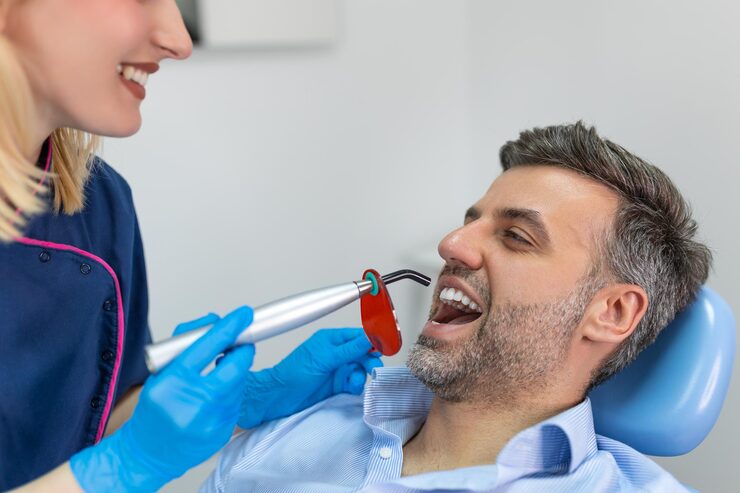
Ear pain after a dental visit can be confusing, especially when the ear was not treated. The teeth, jaw, and ears have nearby nerves, so pain from the teeth or jaw can sometimes be felt around the ear. Root canal therapy in Dacula may cause some soreness in the treated tooth or jaw for a short time. This soreness may sometimes feel like ear pain. However, ear pain can also happen for other reasons that are not related to dental treatment.
Knowing the possible causes can help you understand when simple home care may be enough and when you should see a dentist or professional.
Why Can Ear Pain Happen After Dental Work?
Ear pain can sometimes happen after dental treatment. This is because the nerves in your teeth, jaw, and ear are closely connected. Pain from a tooth or jaw muscle can sometimes feel like it is coming from the ear.
Possible dental-related causes include:
- Soreness around a treated tooth
- Jaw muscle strain from keeping the mouth open
- Irritation around the tooth
- Changes in the way the teeth meet after treatment
- Existing jaw joint problems becoming more noticeable.
The actual cause needs to be identified rather than assuming the ear itself is affected.
Why Can a Root Canal Cause Jaw and Ear Pain?
Jaw and ear pain after root canal treatment may happen when the treated tooth and nearby tissues remain tender during the healing period. The jaw muscles may also feel sore after staying open during a longer dental appointment.
Discomfort may be more noticeable when:
- Biting or chewing
- Opening the mouth widely
- Touching the treated area
- Lying down or resting
Mild soreness may improve as the area settles. Pain that becomes stronger or does not improve should be checked.
Can a Crown Cause Ear Pain?
Ear pain after crown placement can sometimes be linked to tenderness in the tooth or changes in the bite. If the new crown feels too high when biting, extra pressure may be placed on the tooth.
A crown-related problem may be suspected when:
- The crowned tooth hurts when biting.
- The tooth feels different from the surrounding teeth.
- Jaw soreness develops after the crown is placed.
- Pain continues instead of gradually improving.
A dental assessment can check the crown, bite, and treated tooth.
Can a Filling Cause Pain Near the Ear?
A filling can sometimes be followed by tooth or jaw discomfort. If the filling changes the way the teeth meet, the treated tooth may receive extra pressure when biting.
A dentist in Dacula can check whether the filling is sitting correctly and whether the tooth has another problem that could explain the pain.
Not all ear pain after a filling comes from the filling itself. Ear conditions, sinus problems, or other causes may also produce similar symptoms.
Can Dental Work Cause Referred Ear Pain?
Dental treatment can sometimes cause what is known as referred pain. This means discomfort from one area is felt in another nearby area.
For example, a problem involving a tooth or jaw may be felt around:
- The ear
- Jaw
- Temple
- Cheek
- Nearby teeth
A dentist near you can examine the teeth and jaw to determine whether the symptoms appear to have a dental source.
What May Help After Dental Work?
Care depends on the cause of the pain. If the dental team has provided specific aftercare instructions, follow those directions first.
General measures may include:
- Taking recommended pain relief as directed
- Eating softer foods if chewing is uncomfortable
- Avoiding very wide mouth movements
- Avoiding chewing on the painful side
- Keeping up with normal oral hygiene unless advised otherwise
If the pain continues, additional treatment may be needed.
When Should Ear Pain Be Checked?
Persistent or severe pain should not automatically be blamed on dental treatment. Root canal therapy in Dacula can cause temporary tenderness, but symptoms that worsen or do not settle may need further evaluation.
Prompt dental advice may be appropriate when there is:
- Severe or increasing pain
- Facial or gum swelling
- Fever
- Pus or unusual discharge
- Pain that makes biting difficult
- A crown or filling that feels too high.
- Symptoms that continue longer than expected
If the dental examination does not explain the ear pain, medical assessment may also be needed.
Get Clarity When Ear Pain Continues After Dental Work!
Ear or jaw discomfort after dental treatment can have different causes, from tenderness around a treated tooth to bite changes or jaw muscle strain. A dental assessment can help identify where the pain is coming from and whether further care is needed.
Book an appointment with Lanier Valley Dentistry to have ongoing ear or jaw pain checked and get personalised guidance based on your dental condition and recent treatment.
FAQs
Why does my ear hurt after a root canal?
The treated tooth and nearby jaw tissues may remain sore after a root canal. Because the nerves in the tooth and jaw are connected with nearby areas, the discomfort may sometimes be felt near the ear.
How long does ear pain last after a root canal?
There is no single recovery time for everyone. Mild soreness often improves over the following days. Pain that becomes worse or continues without improvement should be discussed with the dental team.
Can a dental filling cause ear pain?
A filling may be followed by tooth or jaw discomfort, particularly if the bite feels different afterward. However, ear pain can also have non-dental causes, so an examination may be needed to find the source.
Can a dental filling cause ear pain?
A filling can sometimes cause tooth or jaw soreness, especially if your bite feels different after the filling. However, ear pain can have other causes, so a dental check may be needed to find the cause.
Can dental work cause pain that feels like ear pain?
Yes. Pain from a tooth or jaw can sometimes be felt near the ear because the nerves in these areas are connected. This does not always mean there is a problem with the ear.
When should I worry about ear pain after dental work?
Talk to your dentist if the pain is severe, gets worse, or comes with swelling, fever, discharge, or trouble biting or opening your mouth. If the ear pain does not seem to be linked to a dental problem, you may also need to see a professional.