



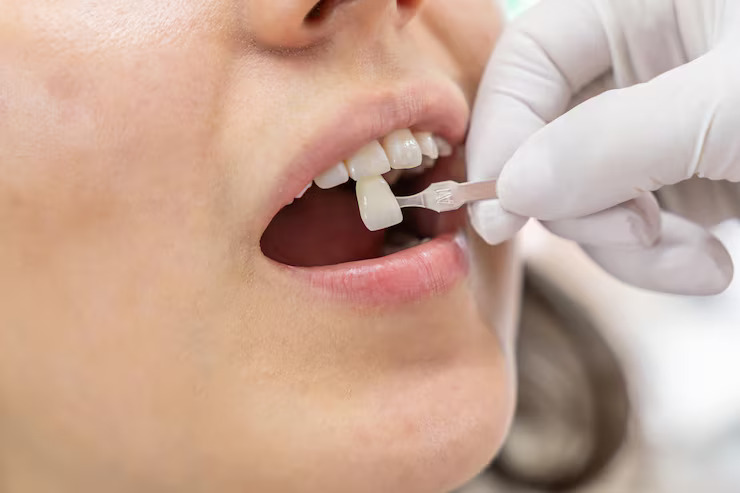
Dental veneers cover the front of your teeth, but they do not cover the entire tooth. The natural tooth underneath and around the veneer can still develop decay without proper care. Understanding how to care for porcelain veneers can help protect your teeth, gums, and veneers over time.
Veneers are bonded to the front of natural teeth. With porcelain veneers in Dacula, your dentist prepares the tooth, makes sure the veneer fits properly, and securely bonds it in place. Good brushing, flossing, and regular dental visits are still important after treatment.
Can Teeth Rot Under Veneers?
Yes, natural teeth can still develop cavities under or around veneers. Since veneers only cover the front of the tooth, some natural tooth structure remains exposed.
If plaque is not removed, bacteria can produce acids that damage the enamel. Decay may develop around the edges or on parts of the tooth that are not covered by the veneer.
How Do Veneers Protect the Tooth?
Porcelain veneers are bonded to the front surface of a prepared tooth. They can cover certain cosmetic concerns and provide a smooth surface that blends with the surrounding teeth.
However, the veneer itself does not replace the need for regular dental care. The natural tooth underneath still needs protection from plaque and bacteria.
Before placing veneers, your dentist will examine your teeth and gums. Any cavities, gum problems, or other concerns may need to be treated before veneer placement.
How Should You Care for Porcelain Veneers?
Caring for veneers is similar to caring for natural teeth. Regular brushing and flossing help remove plaque from the teeth and areas around the veneers.
Your daily care routine should include:
- Brushing twice a day with fluoride toothpaste
- Flossing once a day
- Using a soft-bristled toothbrush
- Keeping up with regular dental cleanings
- Attending routine dental examinations
If you are unsure about how to care for porcelain veneers, your dentist can provide instructions based on your veneers and overall oral health.
Can You Get Cavities Around Veneers?
Yes, cavities can form around the edges of veneers if plaque and bacteria are allowed to build up. The areas between your teeth and around the gumline need particular attention because they can be harder to clean.
Daily flossing helps remove plaque and food particles from between the teeth. Brushing helps clean the surfaces of the teeth and around the veneer edges.
A dentist near you can also check your veneers and natural teeth during regular dental exams. Finding decay early can make treatment easier and help protect the surrounding tooth structure.
What Habits Can Damage Veneers?
Certain habits can place extra pressure on veneers and increase the risk of chips, cracks, or other damage. Avoid using your teeth for tasks they are not designed to handle.
Habits to avoid include:
- Biting your fingernails
- Chewing on pens or pencils
- Biting ice
- Opening packages with your teeth
- Chewing very hard objects
If you grind or clench your teeth, tell your dentist. A custom nightguard may help protect your veneers and natural teeth from excessive pressure while you sleep.
How Long Can Veneers Last?
Porcelain veneers are designed to provide a long-term cosmetic solution, but they may eventually need repair or replacement. Their lifespan can depend on your oral hygiene, bite, daily habits, and how well you care for them.
Taking care of your veneers and avoiding habits that place excessive pressure on them may help them remain in good condition for many years.
What Happens If a Tooth Develops Decay?
If decay develops around or underneath a veneer, visiting a dental office in Dacula can help you get the tooth evaluated. Your dentist can determine how much of the tooth is affected and recommend the appropriate treatment.
In some cases, the veneer may need to be removed so the tooth can be treated properly. Your dentist can then determine whether the existing veneer can be replaced or if another restoration is needed.
Regular dental exams can help identify these problems early and allow treatment before the decay becomes more extensive.
Protect Your Teeth and Veneers
Veneers can make your smile look better, but they still need proper care. Brushing, flossing, regular cleanings, and dental checkups can help keep your veneers and natural teeth healthy.
Lanier Valley Dentistry provides personalized dental care to help you maintain your veneers and overall oral health. Book an appointment today to learn more about caring for your veneers.
FAQs
Can teeth get cavities under porcelain veneers?
Yes. The natural tooth can still develop decay around or underneath a veneer if plaque is not properly removed.
Can I floss around porcelain veneers?
Yes. Daily flossing helps clean between your teeth and around the edges of your veneers.
Do I need special toothpaste for veneers?
Your dentist can recommend products that are suitable for your veneers and natural teeth. Fluoride toothpaste is commonly used as part of regular oral care.
How often should I visit the dentist with veneers?
Continue regular dental visits based on your dentist’s recommendations. These appointments allow your dentist to check your veneers, gums, and natural teeth.