



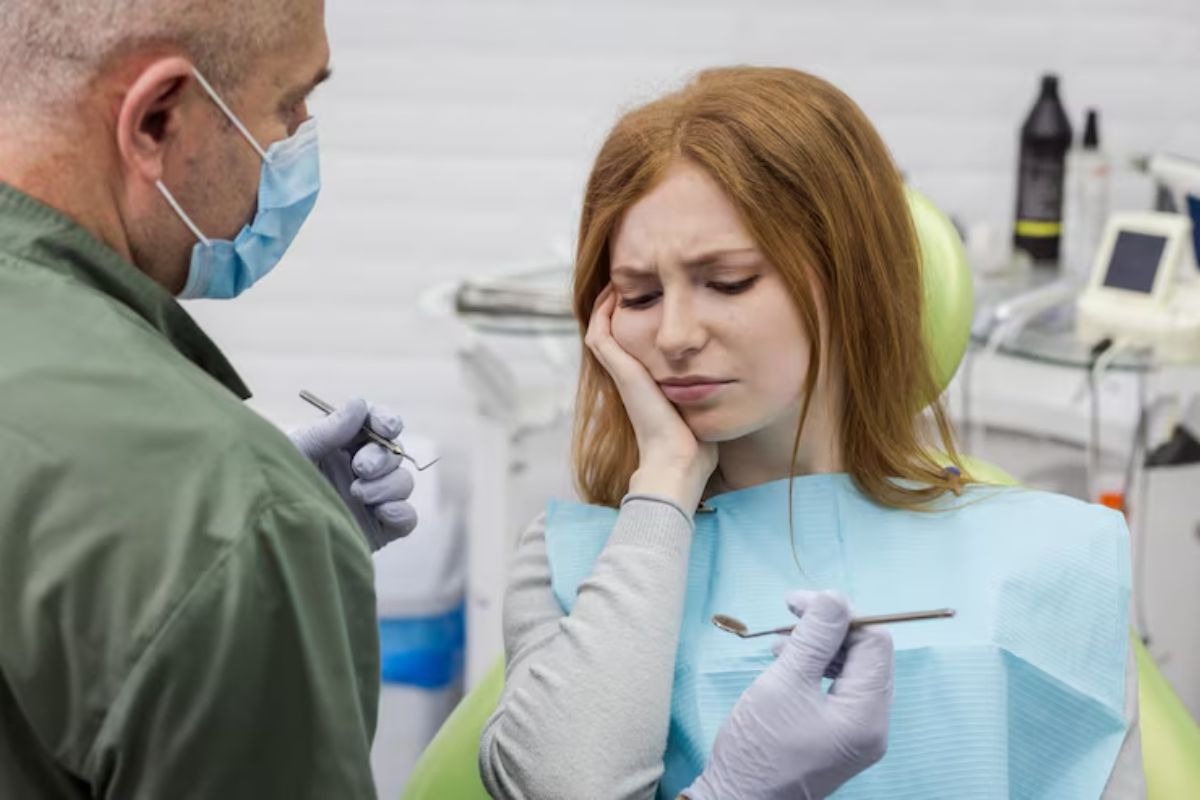
Are many people experiencing common dental emergencies without realizing how serious they can become if left untreated? These problems often involve sudden pain, injury, or infection that needs quick dental care to protect the teeth and gums.
Knowing what counts as an emergency helps people react quickly instead of waiting until the problem gets worse. Early action can reduce pain, prevent complications, and, in many cases, save a damaged tooth.
When Should You Take a Dental Problem Seriously?
It is not always easy to understand how to identify a dental emergency. Some issues may seem minor at first, but can quickly become more serious if ignored.
Any situation involving severe pain, swelling, bleeding, or a broken tooth should be treated as an emergency. In these cases, searching for emergency dentistry near you can help you find immediate care when the problem cannot wait for a regular appointment.
Prompt treatment is important because dental problems often worsen over time rather than improving on their own.
1. Severe Tooth Pain
Severe tooth pain is one of the most common reasons people need emergency dental care. This pain may appear suddenly or build up gradually over time.
Common signs include:
- Constant or sharp toothache
- Pain while chewing or biting
- Sensitivity to hot or cold food and drinks
- Swelling near the affected tooth or gum
Severe pain is often caused by deep decay, infection, or nerve damage. If the pain does not go away or becomes stronger, it should be checked immediately.
2. Broken or Chipped Tooth
A broken or chipped tooth can result from accidents, sports injuries, biting on hard objects, or untreated decay.
Signs of a broken tooth include:
- Visible crack or missing piece of tooth
- Sharp edges that irritate the tongue or cheek
- Sensitivity to temperature changes
- Pain while chewing
Even small chips should not be ignored because they can grow larger over time and lead to infection or further damage.
3. Knocked-Out Tooth
A knocked-out tooth is one of the most urgent dental emergencies and requires immediate action. A quick response increases the chance of saving the tooth.
What should be done:
- Keep the tooth moist in milk or saliva.
- Avoid touching the tooth root.
- Do not scrub or clean it harshly.
- Visit a dentist immediately.
Time is very important in this situation. The sooner treatment is received, the better the chance of saving the tooth.
4. Dental Infection or Abscess
A dental infection, also known as an abscess, is a serious condition caused by bacteria. It can spread quickly if not treated.
Common symptoms include:
- Swelling in the gums, face, or jaw
- Pus around the affected tooth
- Persistent bad taste or bad breath
- Fever or general discomfort
- Throbbing pain that does not stop
Dental infections should always be treated as emergencies because they can spread to other parts of the body if left untreated.
Why Immediate Dental Care is Important
A dentist in Bowmanville can help treat dental emergencies quickly and prevent further damage. Delaying treatment may lead to more pain and more complex dental procedures later.
Ignoring dental emergencies can result in:
- Increased and continuous pain
- Spread of infection to nearby teeth or gums
- Permanent tooth loss
- Higher treatment costs in the future
Getting help early makes treatment simpler and more effective.
Simple Steps to Handle a Dental Emergency
When a dental emergency happens, try to stay calm and take the right steps until you see a dentist.
Helpful steps:
- Gently rinse your mouth with warm water.
- Use a cold pack to reduce swelling.
- Do not chew on the painful side.
- Keep any broken tooth pieces if you can
- Call a dentist near you as soon as possible.
These are only short-term steps until you get proper dental treatment.
How to Reduce the Risk of Dental Emergencies
Not all dental emergencies can be prevented, but many can be avoided with good daily care.
Helpful prevention tips:
- Brush your teeth twice a day with fluoride toothpaste
- Floss once a day to clean between teeth
- Do not bite hard things like ice or pens
- Wear a mouthguard during sports
- Visit your dentist regularly for checkups.
Good daily habits help reduce the chance of sudden dental problems.
Common Misunderstandings About Dental Emergencies
Many people delay treatment because they think the problem is not serious. However, dental issues often worsen quickly.
Some common misunderstandings include:
- Thinking that the tooth pain will go away on its own
- Ignoring small cracks in teeth
- Waiting too long to treat swelling
- Believing bleeding gums are normal.
Understanding these signs can help people take faster action when needed.
Act Fast for a Healthier Smile!
Dental emergencies can happen at any time, but recognizing the signs early can protect your teeth and reduce complications. Quick action is the best way to prevent pain from getting worse and to save natural teeth whenever possible. Book your appointment today with Lanier Valley Dentistry and get reliable care when you need it most for a healthier and safer smile.
FAQs
Is tooth pain always an emergency?
Not all tooth pain is an emergency, but severe, persistent, or worsening pain should always be checked promptly to avoid serious problems.
What should I do if my tooth is knocked out?
Keep the tooth wet by placing it in milk or saliva, and go to a dentist right away. Acting quickly can help save the tooth.
Can a dental infection go away on its own?
No, dental infections do not heal on their own and require professional treatment to prevent spreading.
Do all dental emergencies require tooth removal?
No, many emergencies can be treated, and the tooth can often be saved if treated early.