



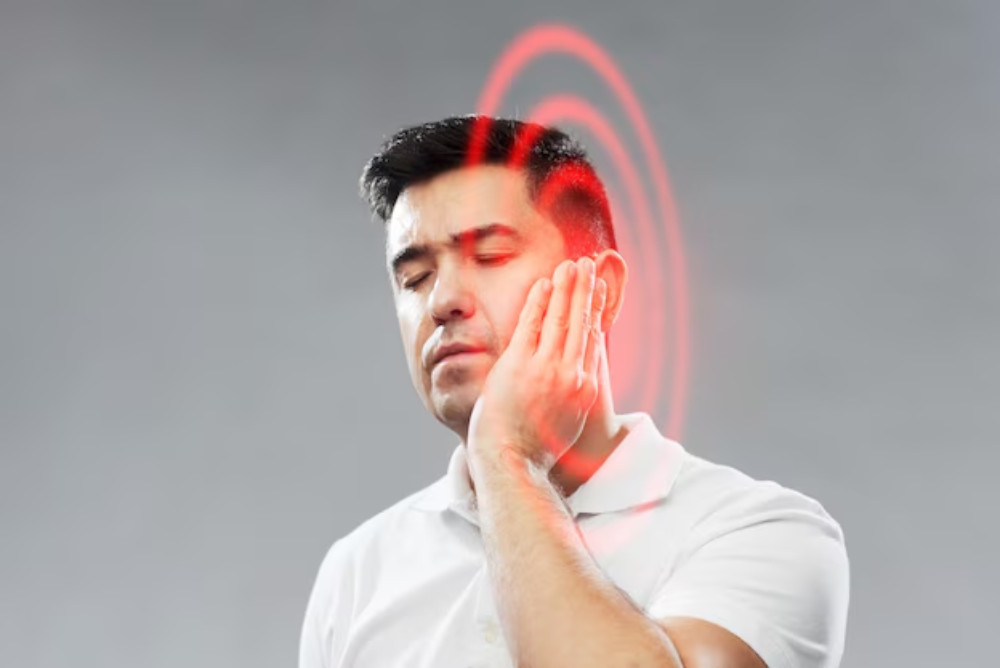
Connecting the dots between a toothache and a headache is common, but many patients wonder if a root canal can cause ear pain during the recovery period. Because the nerves in the face are all linked together like a complex highway system, a problem in the back molars can sometimes send signals to the ear canal. This sensation is often referred to as “referred pain,” where the brain has a hard time telling exactly where a signal is coming from. Understanding how the jaw and ear interact helps ease any worries you might have about your healing process.
The Connection Between Teeth and Ears
The human face relies on a large network of nerves, particularly the trigeminal nerve, which provides feeling to the teeth and the area around the ear. When you seek out root canal therapy near you to fix a deep infection, the dental professional works closely with these nerve pathways. If a back tooth is inflamed, the swelling can put pressure on the surrounding tissues, making it feel as though the ache is coming from inside the ear rather than the mouth.
Is Ear Pain After Root Canal Treatment Normal?
It is quite frequent to experience a dull ear pain after root canal treatment for a few days as the body heals. During the procedure, a patient must keep their mouth open for an extended time, which can strain the temporomandibular joint (TMJ) located right next to the ear. This muscle strain is a common reason for discomfort that feels like an earache but is actually just tired jaw muscles.
- Muscle Fatigue: Holding the jaw open wide can cause temporary soreness in the joint near the ear.
- Inflammation: The body sends extra blood and healing cells to the tooth, which can cause slight pressure in the jaw area.
- Nerve Sensitivity: As the infection clears out, the nerves may remain extra sensitive for a short window of time.
- Referred Sensation: The brain may confuse a signal from a lower molar with a signal from the ear canal.
When to Contact a Dentist
While some mild discomfort is expected, knowing when to call a professional ensures your safety. If the sensation in your ear becomes sharp or is accompanied by a high fever, it is time to visit a dentist for a follow-up. A professional can check to make sure the bite is aligned correctly, as a crown that is even a tiny bit too high can cause jaw and ear discomfort every time you chew.
Protecting Your Smile During Recovery
A smooth recovery starts with following the instructions provided by your dental team. Most discomfort fades away within a week as the tissues return to their normal state.
- Rest the Jaw: Avoid chewy or crunchy foods for a few days to give the joint near your ear a break.
- Use Warm Heat: Placing a warm washcloth on the side of your face can help relax your muscles and lower any pressure you feel in your ear.
- Follow Your Medicine Schedule: Taking your pain relievers exactly when your dentist says will help keep swelling and soreness under control.
- Keep the Area Clean: Gently brushing around the tooth that was fixed stops new germs from bothering your gums.
How Root Canal Therapy Saves Your Health
The goal of the procedure is to remove a painful infection that could otherwise spread to the jawbone or bloodstream. By choosing a root canal, you are protecting your natural tooth and preventing the need for a fake replacement later. While a temporary earache might feel annoying, it is a small trade-off for stopping a dangerous infection that could cause permanent damage.
Professional Care in Your Community
Finding a reliable dentist helps ensure that every step of your treatment is handled with precision. A local expert can monitor your healing and confirm that any lingering ear sensations are just part of the normal recovery process. Having a dentist near you who understands your history makes it much easier to get quick answers if a new symptom pops up after your visit.
Your Path to a Pain-Free Smile
At Lanier Valley Dentistry, our team focuses on providing a gentle experience for every patient. We utilize modern tools to ensure that your treatment is fast and your recovery is as comfortable as possible. Our mission is to help you understand your oral health so you feel confident and relaxed from the moment you walk through our doors.
Schedule a follow-up visit at Lanier Valley Dentistry to ensure your bite is perfectly balanced after your recent treatment.
Frequently Asked Questions
Can a root canal cause ear pain right after my visit?
Yes, it is common to feel something in your ear because your jaw joint is very close to your ear canal. Stretching or tightening your jaw muscles during the appointment is often the reason for ear pain in the first two days after your treatment.
How long does this ear pain usually last?
Most people find that the discomfort goes away within three to five days. If you still feel it after a week, you should see a dentist to check if your teeth are biting together correctly or if your jaw needs more rest.
Why does a dentist check the bite after a root canal?
If a new filling or crown is slightly too tall, it changes how your jaw closes. This puts extra stress on the joint near your ear, which is why a dentist in Dacula ensures your teeth meet perfectly to prevent long-term ear and jaw aches.
Is root canal therapy the only way to stop a deep tooth infection?
While an extraction is another option, a root canal is the only way to save the natural tooth. Keeping your original tooth is better for your jaw health and prevents the other teeth from shifting out of place over time.